GitHub Copilot, CodeWhisperer: AI Coding Tools Surge
Is your team ready for the AI revolution in software development? The changes are happening faster than you think. AI isn’t just about automating tasks anymore; it’s fundamentally changing how we design, build, and deploy software. This article dives deep into 5 key trends transforming the industry, revealing how you can leverage AI to code faster, smarter, and unlock new levels of creativity.
1. AI Pair Programmers: Code Completion and Beyond
As of December 2024, Large Language Models (LLMs) are making significant strides beyond basic code completion, evolving into increasingly capable AI pair programmers. These AI systems can understand and generate human-like text, enabling them to perform tasks such as code generation, code completion, and code summarization. Studies show that LLMs can analyze code, identify potential bugs, suggest improvements, and even generate new code based on natural language descriptions. While their ability to fully grasp context and developer intent is still under development, tools like GitHub Copilot and Amazon CodeWhisperer are already demonstrating the practical value of these models.
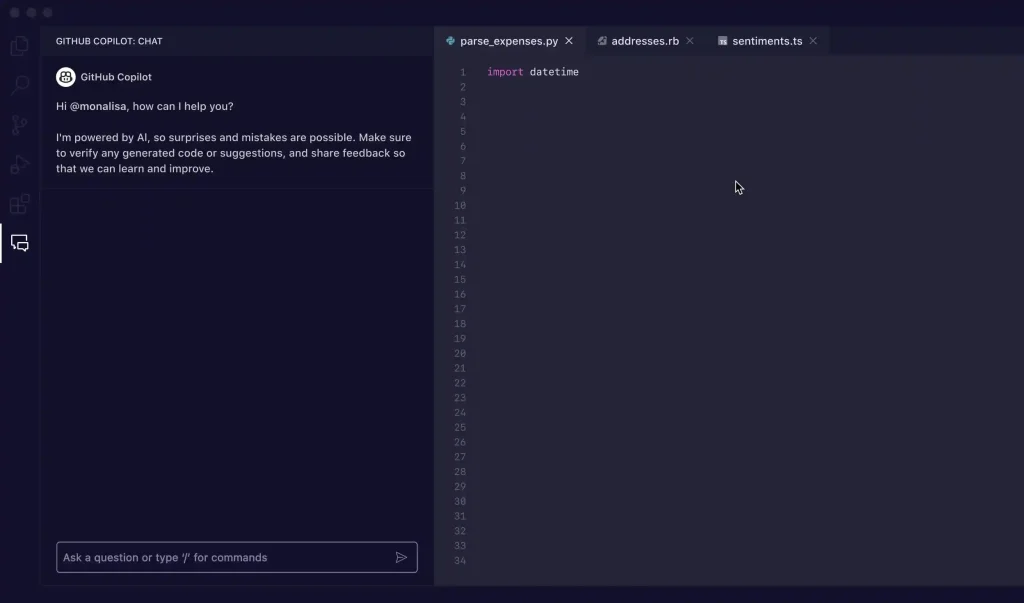
Today’s LLMs are proving to be valuable tools that assist developers with routine tasks, allowing them to focus on more creative and strategic aspects of software development, as discussed in recent analyses of developer productivity. The progress made this year is significant, and we are seeing increased adoption of these tools across various stages of the development lifecycle.
Looking ahead, ongoing research, such as Google’s work on Gemini and other initiatives exploring competitive programming and reasoning, promises to further enhance the capabilities of LLMs. We can expect future models to exhibit more nuanced code understanding, improved ability to handle complex, multi-step instructions, and potentially even contribute to higher-level software design decisions. This ongoing evolution suggests a future where LLMs become even more integral to the software development process, solidifying their role in AI-assisted software development.
2. AI-Powered Code Optimization and Quality Assurance
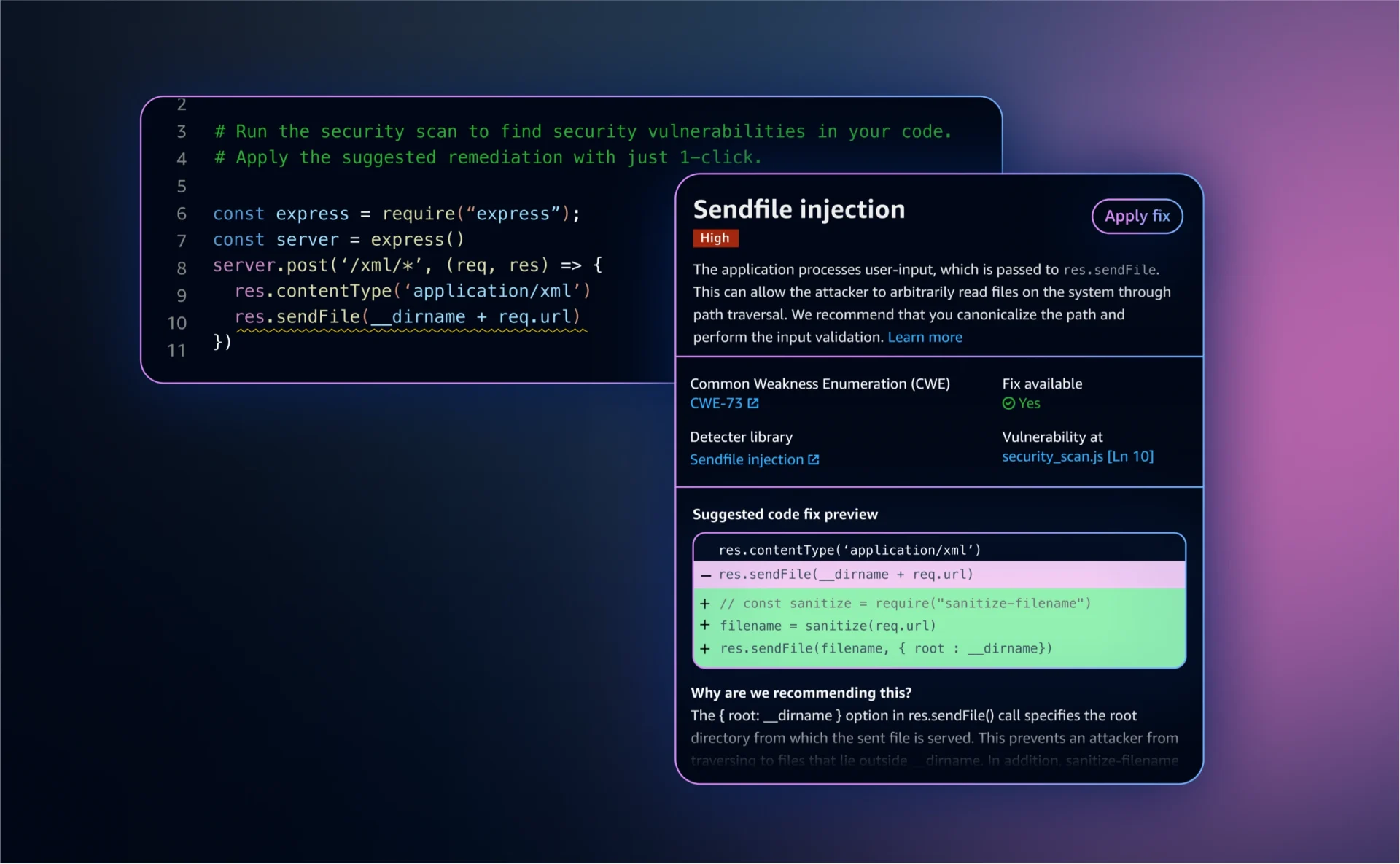
In 2024, AI is playing a crucial role in ensuring software quality and streamlining development through automated code optimization and quality assurance. AI-powered tools are now commonly used to analyze large codebases, identify potential bugs, pinpoint security vulnerabilities, and suggest code optimizations.
These tools go beyond simple linting, leveraging advanced algorithms to detect common security flaws and highlight areas where code can be made more efficient. They can automatically identify code smells, suggest refactoring strategies, and, in some cases, even optimize algorithms for better performance. This is made possible by AI’s ability to excel at analyzing vast amounts of code to identify patterns, inefficiencies, and potential optimizations, a point further emphasized in numerous discussions on AI in software testing. For instance, tools like Snyk Code and others are already helping developers write cleaner, more secure, and more efficient code.
The impact of these advancements is significant: improved software quality, reduced debugging and maintenance time, and faster development cycles. As we move forward, the role of AI in QA is expected to expand rapidly. We are seeing advancements in areas like automated test case generation, predictive bug detection, and even self-healing code, where AI not only identifies but also attempts to automatically fix issues. These developments are not just theoretical; they are actively being integrated into AI-assisted software development workflows, promising to further reduce the burden on developers and contribute to the creation of more robust and reliable software.
3. AI-Driven DevOps and Project Management
AI is making a significant impact on DevOps and project management, bringing unprecedented levels of automation and intelligent insights to the software development lifecycle. AI-powered tools are being integrated into CI/CD pipelines, streamlining operations and enhancing efficiency. This trend aligns closely with advances in no-code development platforms, where AI is automating complex development tasks.
By analyzing code changes, test results, and production metrics, AI provides valuable insights into performance, quality, and potential bottlenecks. This allows teams to optimize deployment processes, improve software quality, and achieve faster release cycles. For example, AI can predict the likelihood of build failures, suggest optimal testing strategies based on code changes, and even automatically roll back deployments if anomalies are detected. These capabilities are no longer a futuristic vision but a reality in many organizations leveraging AI-assisted software development.
Beyond CI/CD, AI is also assisting in project management by automating routine tasks such as progress tracking, refining time estimates, and optimizing resource allocation, as highlighted in insights on generative AI in project management. This automation frees up project managers to focus on more strategic initiatives, leading to better project outcomes and more efficient teams. We are also witnessing the use of generative AI to assist with project planning, risk assessment, and stakeholder communication, further emphasizing the growing role of AI in this domain.
The continued integration of AI into DevOps and project management practices promises to further enhance automation, improve decision-making, and ultimately accelerate the delivery of high-quality software. These advancements highlight the transformative potential of AI-assisted software development in shaping the future of the industry.
4. The Human Side of AI Adoption: Addressing “AI Skill Threat”
As AI becomes more prevalent in software development, it’s crucial to address the human side of AI adoption. The rise of AI-assisted software development brings both opportunities and challenges, particularly concerning job security and the need for new skill sets. Research from the Developer Success Lab introduces the concept of “AI Skill Threat,” which refers to the anxiety and worry developers experience regarding the future of their skills in an AI-driven world.
This fear of obsolescence can hinder AI adoption and negatively impact developer morale, as highlighted by Pluralsight. To mitigate this, organizations need to foster a culture of learning and development, provide clear guidelines on AI usage, and ensure that developers feel empowered by AI tools rather than threatened by them. It is essential that the evolution of AI-assisted software development is inclusive and considers the upskilling of all developers.
Organizations must prioritize investment in upskilling and reskilling their workforce, ensuring that employees have the necessary expertise to harness AI’s potential. This involves not only training developers on how to use AI tools but also helping them develop complementary skills, such as problem-solving, critical thinking, and creativity, which will remain essential in an AI-augmented development landscape. A commitment to such training is becoming a hallmark of responsible AI-assisted software development.
By proactively addressing the “AI Skills Threat,” companies can ensure a smoother transition to an AI-powered future, fostering a workforce that is both capable and confident in leveraging AI to enhance their productivity and creativity.
5. Ethical Considerations in AI-Driven Software Development
The increasing use of AI in software development brings a critical need to address the ethical implications of this powerful technology. As highlighted in discussions by the World Economic Forum, key concerns include the potential for bias in AI algorithms, the imperative of data privacy, and the need for transparency and accountability in AI-driven systems.
Developers must be mindful of these ethical considerations and ensure that AI systems are designed and deployed responsibly. This includes carefully reviewing AI-generated code for potential biases and ensuring that training data is diverse and representative. Furthermore, creating AI systems that are transparent and explainable is crucial. Developers and stakeholders need to understand how these systems arrive at their decisions, especially when used in sensitive areas or in the context of AI-assisted software development.
One of the foremost concerns is algorithmic bias. AI systems learn from historical data, and if this data reflects existing societal biases, the AI can perpetuate and even amplify them, as discussed in this Brookings article. Developers must diligently address biases in datasets and algorithms to ensure fairness, particularly in applications like hiring, lending, and resource allocation, where biased outcomes can have significant real-world consequences. This is a significant consideration within the rapidly evolving field of AI-assisted software development.
Ultimately, the responsible development and deployment of AI in software development requires a proactive and ongoing commitment to ethical principles. This involves establishing clear guidelines, fostering a culture of ethical awareness, and engaging in continuous monitoring and evaluation of AI systems to ensure they align with human values and societal good. These ethical considerations are not just an afterthought but are becoming central to the practice of AI-assisted software development.
Final Thoughts
As 2024 draws to a close, it is clear that AI-assisted software development is not just a fleeting trend but a fundamental shift in how software is created. The five trends discussed in this article highlight the significant progress made and the transformative potential that AI brings to the industry. To thrive in this new landscape, developers, organizations, and the software industry as a whole must embrace continuous learning, prioritize ethical considerations, and work collaboratively to unlock the full potential of AI. The future of software development is undoubtedly intertwined with the continued advancement and responsible implementation of AI, promising a new era of innovation, efficiency, and enhanced capabilities.
Read More From AI Buzz

Vector DB Market Shifts: Qdrant, Chroma Challenge Milvus
The vector database market is splitting in two. On one side: enterprise-grade distributed systems built for billion-vector scale. On the other: developer-first tools designed so that spinning up semantic search is as easy as pip install. This month’s data makes clear which side developers are choosing — and the answer should concern anyone who bet […]

Anyscale Ray Adoption Trends Point to a New AI Standard
Ray just hit 49.1 million PyPI downloads in a single month — and it’s growing at 25.6% month-over-month. That’s not the headline. The headline is what that growth rate looks like next to the competition. According to data tracked on the AI-Buzz dashboard , Ray’s adoption velocity is more than double that of Weaviate (+11.4%) […]