
Apple's Next Big Thing: An AI Doctor in Your Pocket?
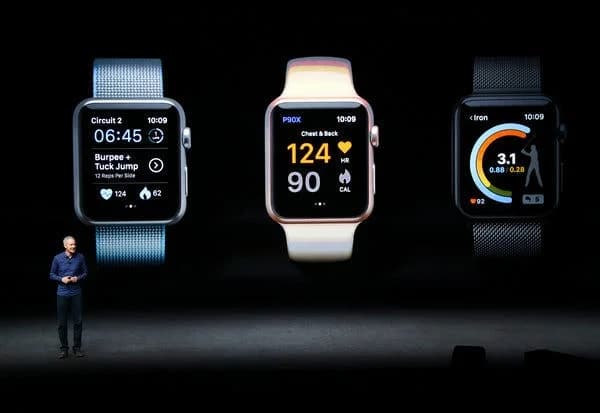
Apple is preparing to take a giant leap in health technology with an ambitious AI-powered health coach, codenamed “Project Mulberry.” This initiative goes beyond simple health tracking to offer intelligent, personalized guidance—essentially putting a digital doctor in your pocket. By leveraging the Apple Watch’s advanced sensors and the Health app’s comprehensive ecosystem, Apple aims to transform how millions manage their personal health.
Building on a Solid Health Foundation
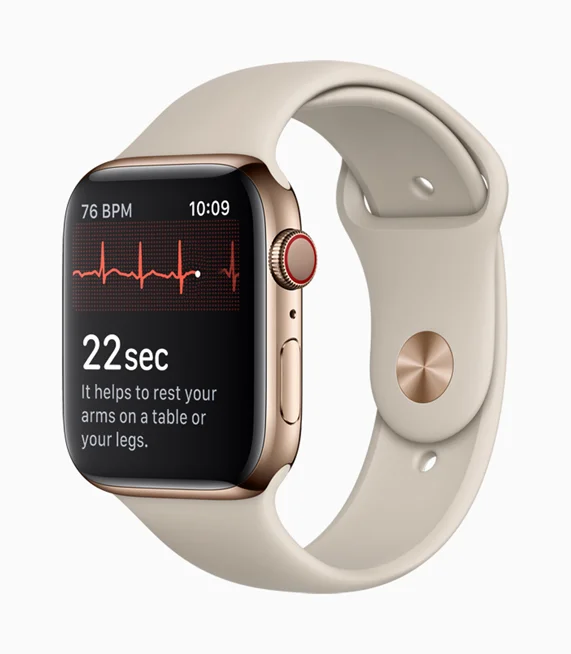
Apple’s approach to health innovation stands apart from competitors. Rather than rushing features to market, the company has established credibility through long-term research partnerships and rigorous validation with medical experts. The Apple Watch has evolved from a simple timepiece into a sophisticated health monitor featuring ECG readings, blood oxygen measurement, fall detection, and temperature-based cycle tracking.
These capabilities aren’t just marketing claims—they’re backed by health studies and countless real-world examples of the technology making meaningful differences in users’ lives. This has established the Apple Watch as a trusted health companion for millions seeking deeper insights into their well-being.
Recent innovations like hearing aid functionality in AirPods demonstrate Apple’s continued commitment to expanding health capabilities across its ecosystem. Now, according to a report from Bloomberg, “The initiative is called Project Mulberry, and it involves a completely revamped Health app plus a health coach. The service would be powered by a new AI agent that would replicate — at least to some extent — a real doctor.”
Inside Project Mulberry: What to Expect
Project Mulberry represents a fundamental shift for the Health app—transforming it from a passive data repository into an active wellness partner. According to reports from reliable sources like Bloomberg’s Mark Gurman, Apple is targeting a release with iOS 19.4, potentially launching in mid-2026.
At its core, the system will use artificial intelligence to analyze health and activity data collected by Apple devices, then deliver truly personalized recommendations. While this concept isn’t entirely new—Google launched a “Personal AI” within the Fitbit ecosystem in 2024—Apple’s implementation promises deeper integration and more sophisticated functionality.
The planned capabilities for Apple’s AI health coach include:
- Creating truly personalized wellness plans covering nutrition, exercise, sleep optimization, and stress management based on your specific data and goals
- Providing access to a library of expert-created videos from physicians specializing in sleep science, nutrition, physical therapy, mental well-being, and cardiology
- Using iPhone camera technology to analyze exercise form during workouts, offering real-time feedback to improve effectiveness and reduce injury risk
The market has seen similar concepts emerge from smaller players. ExerRing introduced a smart ring with AI coaching capabilities, while the Circular Ring 2 combines blood pressure sensing with AI coaching. However, Apple’s enormous user base and ecosystem integration could bring this technology to mainstream adoption in unprecedented ways.
Building Trust Through Medical Expertise

Apple recognizes that health advice requires the highest standards of accuracy and credibility. According to Bloomberg, “The company is currently training the AI agent with data from physicians that it has on staff. Apple is also looking to bring in outside doctors, including experts in sleep, nutrition, physical therapy, mental health and cardiology, to create videos.” This suggests Apple is building a library of expert-vetted content rather than relying solely on algorithmic recommendations.
In practice, this means if your Apple Watch detects an unusual heart rate spike, the Health app might not only log the event but also show a video from a cardiologist explaining what this could mean and what steps to consider. Similar guidance would be available for nutrition, sleep issues, and other health concerns.
The true potential lies in combining expert knowledge with personalized data analysis. By applying advanced AI to your comprehensive health data in HealthKit, the system could deliver insights tailored specifically to your body, activity patterns, and health goals—moving beyond generic advice to truly personalized guidance.
Future hardware developments could enhance these capabilities further. Reports suggest Apple is developing AirPods with an onboard camera and camera enhancements for Apple Watch. These innovations could enable the AI system to gather environmental data and provide even more context-aware coaching.
Navigating a Competitive Landscape
Apple isn’t alone in pursuing AI health coaching. Beyond the previously mentioned Fitbit and smart ring companies, several major players are developing similar technologies:
Samsung is reportedly working on AI coaching features using large language models for more conversational guidance. Premium wearable makers like Garmin, Oura, and WHOOP continue enhancing their platforms with AI to provide actionable advice on recovery, training optimization, and sleep. Meanwhile, established digital health companies like Lark Health already offer AI coaching for chronic condition management.
Despite this competition, Apple possesses unique advantages. Its tightly integrated ecosystem creates a unified experience and comprehensive data collection that few rivals can match. Combined with Apple’s massive user base already familiar with its health features and strong reputation for privacy protection, the company is well-positioned to lead in this space.
The Substantial Market Opportunity
Apple’s investment in AI health coaching targets a rapidly growing market. The digital health sector is projected to reach between $1 trillion and $2 trillion by 2034, with compound annual growth rates between 11% and 22%. This growth is driven by increasing smartphone adoption, sensor technology advancements, consumer demand for personalized health solutions, and healthcare’s shift toward preventative approaches.
The AI healthcare segment specifically shows even more dramatic potential, with forecasts suggesting expansion from tens of billions today to $150-670 billion by 2030-2034, representing annual growth rates between 37% and 49%. By entering this space now, Apple positions itself to capture a significant portion of this lucrative market while strengthening its ecosystem’s value proposition.
Balancing Innovation with Responsibility
Project Mulberry’s potential extends far beyond a new app feature—it could fundamentally change how millions manage their health. The promise is compelling: a personalized, data-driven health advisor available 24/7 through devices you already own, transforming passive data collection into proactive health management.
Evidence suggests such digital interventions can be effective, with studies showing improved outcomes for conditions like hypertension when patients have better self-management tools. Consumer behavior already demonstrates strong interest in technology-driven wellness solutions.
However, this vision comes with significant challenges that Apple must address:
- AI Accuracy: Health advice must be reliable, avoiding the “hallucination” problems that plague some AI systems
- Algorithmic Bias: Ensuring the system works equally well for all demographic groups, preventing unfair or potentially harmful recommendations
- Privacy and Security: Protecting the massive amounts of sensitive health data being analyzed
- Accountability: Establishing clear frameworks for responsibility when AI provides health guidance
- Preventing Over-reliance: Clearly positioning the system as a supplement to, not replacement for, professional medical care
The Road Ahead
While reports suggest a mid-2026 target for Project Mulberry’s debut with iOS 19.4, developing sophisticated AI for sensitive health applications involves numerous complex challenges. Apple must ensure accuracy through rigorous validation, navigate the ethical landscape carefully, and build unwavering user trust—all while meeting its high standards for user experience.
If successful, this initiative could revolutionize personal health management globally, placing a powerful, personalized wellness advisor in millions of pockets. Beyond boosting Apple’s bottom line, such a system could genuinely improve health outcomes at scale—perhaps the most meaningful impact any tech company could hope to achieve.
Tags
Read More From AI Buzz

Vector DB Market Shifts: Qdrant, Chroma Challenge Milvus
The vector database market is splitting in two. On one side: enterprise-grade distributed systems built for billion-vector scale. On the other: developer-first tools designed so that spinning up semantic search is as easy as pip install. This month’s data makes clear which side developers are choosing — and the answer should concern anyone who bet […]

Anyscale Ray Adoption Trends Point to a New AI Standard
Ray just hit 49.1 million PyPI downloads in a single month — and it’s growing at 25.6% month-over-month. That’s not the headline. The headline is what that growth rate looks like next to the competition. According to data tracked on the AI-Buzz dashboard , Ray’s adoption velocity is more than double that of Weaviate (+11.4%) […]