
HP Eliteboard G1a: Ryzen AI 300 Keyboard for Hybrid AI
HP has announced the Eliteboard G1a, a complete Windows 11 desktop PC integrated entirely within a keyboard, powered by AMD’s next-generation Ryzen AI 300-series processor. Unveiled at CES 2026, the device revives a classic computer-in-a-keyboard form factor, re-imagining it as a minimalist, high-performance solution for the modern hybrid workforce. By leveraging the advanced on-device processing capabilities of AMD’s new chip, HP is positioning the Eliteboard G1a not as a novelty, but as a serious productivity tool designed for emerging AI-centric workflows. While pricing has not yet been announced, reports from its CES unveiling indicate the HP Eliteboard G1a release date is slated for March.
This strategic move combines a space-saving, nostalgic design with the cutting-edge performance required for AI PC applications. The core of this capability is the AMD Ryzen AI 300 “Strix Point” processor, whose efficiency and integrated Neural Processing Unit (NPU) are hallmarks of the new Zen 5 architecture, enabling desktop-class computing within a thermally constrained chassis. The Eliteboard G1a represents a direct response to the evolving needs of professionals seeking flexible, powerful, and clutter-free setups that can seamlessly transition between home and office environments.
Key Points
- HP announced the Eliteboard G1a, a full Windows 11 PC housed within a keyboard chassis.
- The device is powered by AMD’s Zen 5-based Ryzen AI 300 series chip with an integrated NPU.
- This design revives a classic form factor to serve the space-saving needs of hybrid professionals.
- It offers a modular alternative to traditional All-in-Ones, mini PCs, and docked laptops.
Strix Point: Computing’s New Backbone
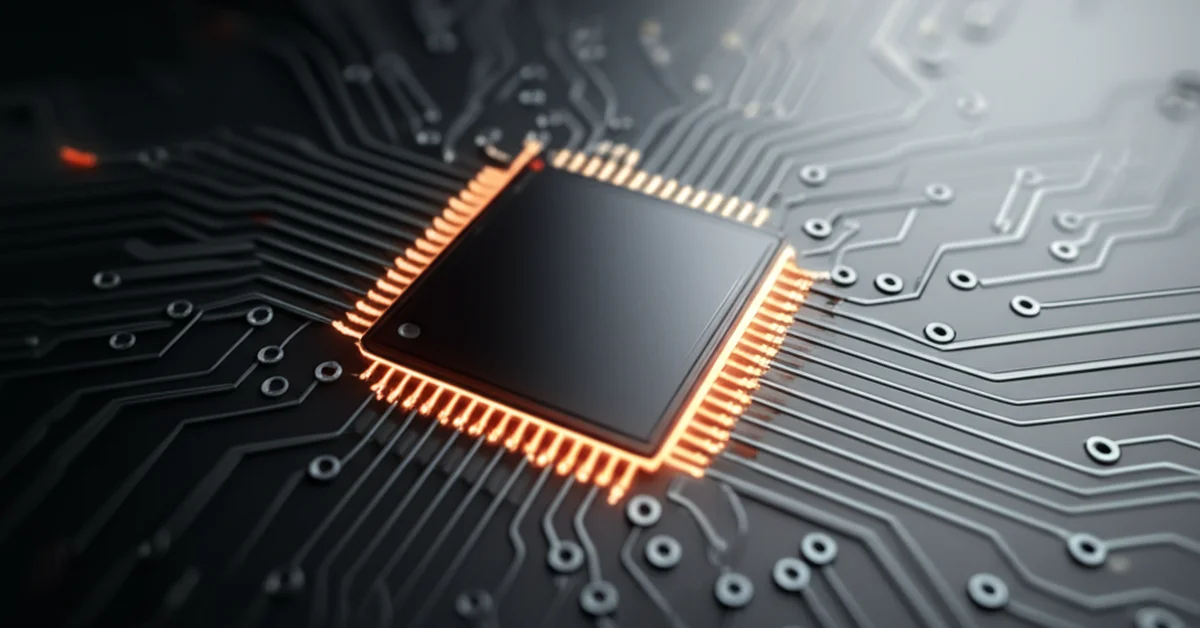
At the core of the HP computer in keyboard AMD Ryzen AI 300 is the processor codenamed “Strix Point.” This chip is built on AMD’s latest Zen 5 microarchitecture, a significant “ground-up redesign” from its predecessor. Fabricated on TSMC’s N4P (4nm) process, the architecture features a “re-pipelined front end and wide issue” design, which delivers substantial gains in instruction per clock (IPC) and overall performance.
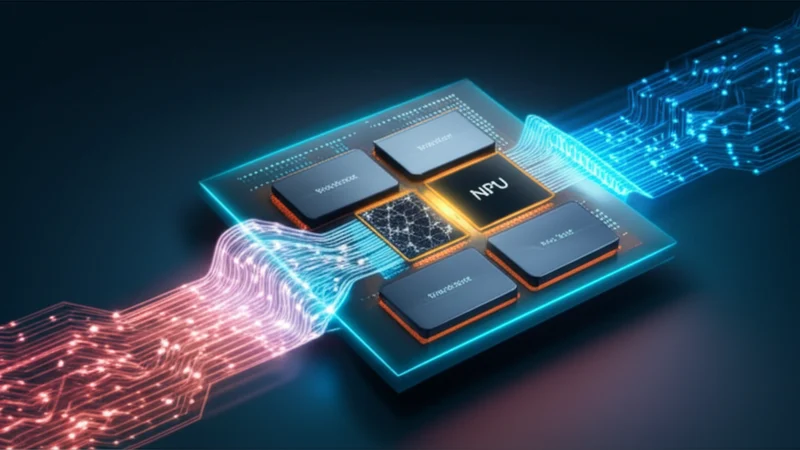
The “Ryzen AI” branding highlights the powerful integrated Neural Processing Unit (NPU), a key component in the growing category of new Ryzen AI powered devices. The AMD Ryzen AI 300 Strix Point architecture includes “integrated AI and Machine Learning optimizations,” allowing the Eliteboard G1a to run complex AI workloads locally. This on-device processing is critical for running features in Windows 11 like Copilot+ responsively and securely, reducing latency and dependence on the cloud for tasks like real-time translation and AI-enhanced creative tools.
Desktop Minimalism Reimagined
The Eliteboard G1a directly addresses the practical challenges of hybrid work by eliminating the need for a separate desktop tower. This creates an extremely compact and portable setup, ideal for professionals who use hot-desking arrangements or want a minimalist home office. The concept, described by Antonio G. Di Benedetto on X as a “throwback,” revives the design of 1980s home computers but infuses it with modern performance for today’s professional demands.
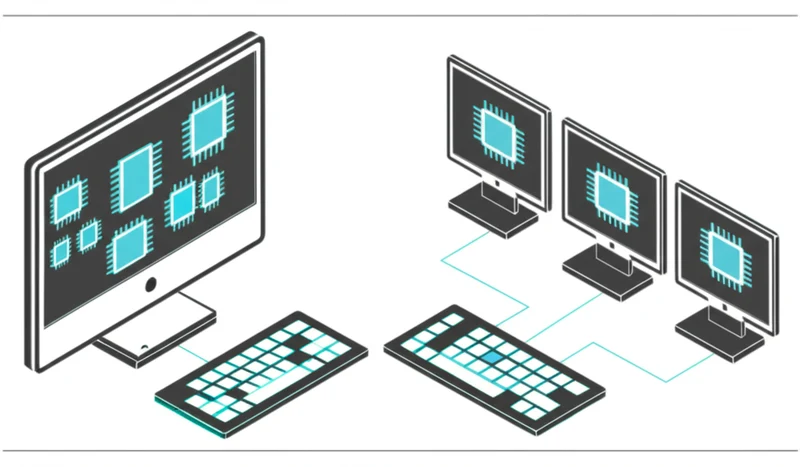
This device also redefines the All-in-One (AIO) category. While traditional AIOs integrate computing components into a monitor, the Eliteboard G1a integrates them into the keyboard. This shift provides greater flexibility, as users are not locked into a specific display. They can connect to any monitor—or multiple monitors—of their choosing, a key advantage that extends the product’s versatility and useful lifespan compared to display-integrated AIOs.
Form Factor Battle Royale
The Eliteboard G1a carves out a unique market position, but it will compete indirectly with several established solutions. Mini PCs like Intel’s NUCs and the Mac Mini offer a small footprint but still require a separate keyboard, making HP’s integration its primary differentiator. It also presents an alternative to the common practice of using a docked laptop, offering a dedicated desktop experience without the added bulk of a notebook.
However, this innovative form factor presents documented engineering challenges. According to an analysis by The Verge, thermal management will be critical; sustaining the performance of a high-end Ryzen AI 300 chip within a sealed keyboard chassis without significant throttling is a major hurdle. Other unanswered questions concern the availability of I/O ports, options for repairability, and the ergonomics of a fixed keyboard design. Ultimately, its success will be heavily influenced by its yet-to-be-announced price point, which will determine if it is a niche gadget or a compelling mainstream solution.
When AI Meets Retro Design
The HP Eliteboard G1a is a thoughtfully engineered device that sits at the intersection of several key industry trends. It combines a classic, space-saving form factor with the powerful, on-device AI capabilities of AMD’s Zen 5 processor to create a unique vision for the future of desktop computing. It directly addresses the demand for minimalism, portability, and next-generation performance in the hybrid work era. While its market impact depends on solving thermal and ergonomic challenges, the Eliteboard G1a stands as a bold statement on PC design evolution.
Does this highly integrated approach signal a new direction for professional desktops , or will its inherent trade-offs confine it to a specialized niche?
Read More From AI Buzz

Vector DB Market Shifts: Qdrant, Chroma Challenge Milvus
The vector database market is splitting in two. On one side: enterprise-grade distributed systems built for billion-vector scale. On the other: developer-first tools designed so that spinning up semantic search is as easy as pip install. This month’s data makes clear which side developers are choosing — and the answer should concern anyone who bet […]

Anyscale Ray Adoption Trends Point to a New AI Standard
Ray just hit 49.1 million PyPI downloads in a single month — and it’s growing at 25.6% month-over-month. That’s not the headline. The headline is what that growth rate looks like next to the competition. According to data tracked on the AI-Buzz dashboard , Ray’s adoption velocity is more than double that of Weaviate (+11.4%) […]

Pydantic vs OpenAI Adoption: The Real AI Infrastructure
Pydantic, a data validation library most developers treat as background infrastructure, was downloaded over 614 million times from PyPI in the last 30 days — more than OpenAI, LangChain, and Hugging Face combined. That combined total sits at 507 million. The gap isn’t close. This single data point exposes one of the most persistent blind […]