
Meta Expands Identity Protection Facial Recognition System To UK Users
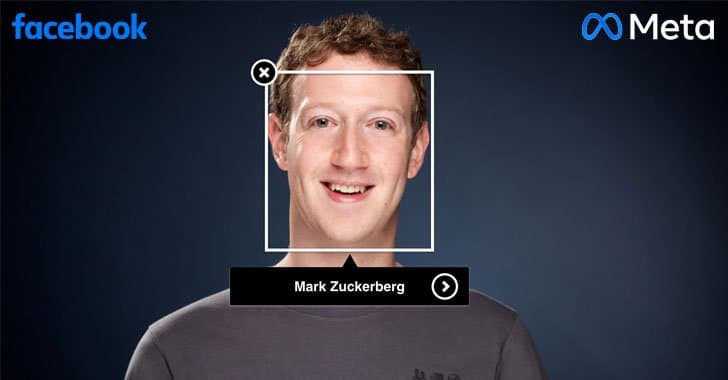
Meta is wading back into the murky waters of facial recognition technology, this time bringing its controversial tools to British shores. The tech giant’s latest move—framed as a solution to rampant online scams and account hijacking—reopens old wounds in the ongoing tug-of-war between technological advancement and fundamental privacy rights. With a history checkered by lawsuits and public backlash, Meta’s expansion of facial recognition in the UK raises eyebrows and questions in equal measure.

From Global Test to UK Streets
Back in October, TechCrunch reported that Meta had quietly begun testing two facial recognition tools internationally: one designed to stamp out celebrity impersonation scams, and another to help users reclaim hacked accounts. Now, that experimental rollout has reached a significant new milestone.
After initially keeping the UK at arm’s length from its facial recognition trials, Meta announced Wednesday that both tools are now being deployed across Britain. Meanwhile, in countries where the tools have already taken root, the “celeb bait” protection is expanding its umbrella to cover more public figures.
According to Meta, the UK green light came “after engaging with regulators” in a country that has recently been doubling down on embracing AI. The company remains tight-lipped about plans for the rest of Europe, the other major region still waiting on the sidelines of this facial recognition “test.”
“In the coming weeks, public figures in the U.K. will start seeing in-app notifications letting them know they can now opt-in to receive the celeb-bait protection with facial recognition technology,” Meta explained in its announcement. Both this feature and the new “video selfie verification” system will remain optional for all users, the company emphasized.
Under the Hood: How Meta’s Facial Recognition Actually Works
The technical machinery behind Meta’s new facial recognition tools operates on two fronts. The “celeb-bait” protection acts like a digital bouncer, comparing images in ads against a database of public figures who’ve consented to the program. When the system spots a match, it flags the ad for review, potentially blocking it before users ever see it.
For everyday users, the account recovery feature offers a lifeline when locked out of accounts. By recording a quick video selfie, users can have their identity verified against existing photos and videos linked to their profile—a digital version of showing your ID at the door.
While Meta has a long history of leveraging user data to feed its algorithmic beast, the company insists these new facial recognition tools launched in October 2024 serve only their stated purposes: fighting fraudulent ads and verifying user identities.
“We immediately delete any facial data generated from ads for this one-time comparison regardless of whether our system finds a match, and we don’t use it for any other purpose,” wrote Monika Bickert, Meta’s VP of content policy in a company blog post.
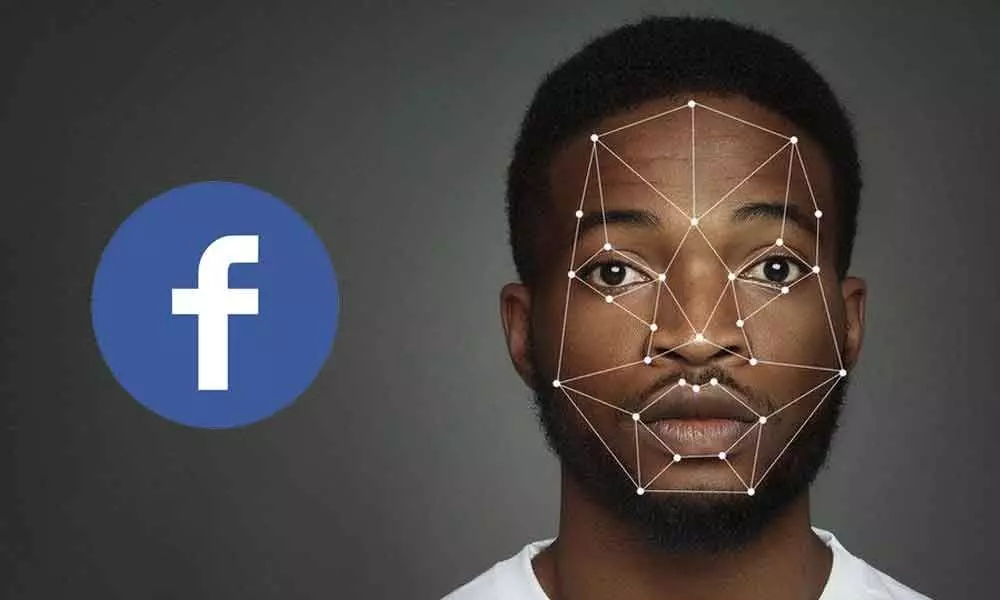
The Bigger Picture: Meta’s AI Dreams and Past Nightmares
These developments land as Meta is betting the farm on artificial intelligence.
Beyond building large language models and weaving AI throughout its platforms, Meta is reportedly crafting a standalone AI app. The company has ramped up its lobbying muscle around the technology while publicly opining on what it considers risky AI applications—particularly those with weaponization potential (with the not-so-subtle implication that Meta’s own creations pose no such dangers).
Given Meta’s checkered past, developing tools that address immediate platform problems may be its smartest path toward public acceptance of any new facial recognition features—an area where the company’s history is complicated at best.
This test fits that pragmatic approach: Meta has faced years of criticism for failing to prevent scammers from hijacking celebrities’ likenesses to peddle dubious schemes like questionable crypto investments.
Facial recognition has been a particularly thorny issue for Meta over the years. Most recently, in 2024, the company coughed up $1.4 billion to settle a long-running lawsuit alleging improper collection of biometric data through its facial recognition technology.
Before that, in 2021, Facebook pulled the plug on its decade-old photo tagging facial recognition system, which had been mired in regulatory and legal quicksand across multiple jurisdictions. Curiously, even then, the company held onto one piece of the technology—the DeepFace model—saying it would incorporate it into future innovations. That preserved seed might well be blossoming in today’s new tools.
What’s Next for Meta’s Facial Recognition: Treading Carefully Forward
Meta’s UK facial recognition rollout marks a defining moment not just for the company but for the technology itself. How this test plays out will echo through the future of facial recognition both within Meta’s ecosystem and beyond.
If Meta can navigate these waters successfully, demonstrating responsible deployment while addressing privacy and security concerns, it might create a template for wider adoption. But if problems emerge, the already fragile public trust could shatter further.
Several factors will determine the outcome: genuine transparency, meaningful user control, and ironclad data security top the list. Continuous monitoring and honest evaluation will be equally critical.
The stakes couldn’t be higher. Meta’s facial recognition venture in the UK serves as a litmus test for responsible development and deployment of this powerful yet divisive technology. And make no mistake—the world is watching closely.
Read More From AI Buzz

Vector DB Market Shifts: Qdrant, Chroma Challenge Milvus
The vector database market is splitting in two. On one side: enterprise-grade distributed systems built for billion-vector scale. On the other: developer-first tools designed so that spinning up semantic search is as easy as pip install. This month’s data makes clear which side developers are choosing — and the answer should concern anyone who bet […]

Anyscale Ray Adoption Trends Point to a New AI Standard
Ray just hit 49.1 million PyPI downloads in a single month — and it’s growing at 25.6% month-over-month. That’s not the headline. The headline is what that growth rate looks like next to the competition. According to data tracked on the AI-Buzz dashboard , Ray’s adoption velocity is more than double that of Weaviate (+11.4%) […]