MLB AI Challenge System: A Strategic Human-AI Umpire Model
Major League Baseball will officially implement an AI-powered Automated Ball-Strike (ABS) challenge system for the 2026 season, marking a significant and carefully measured integration of technology into its officiating. The announcement confirms the league’s direction after six years of extensive testing in minor leagues, representing a strategic compromise that maintains the human home-plate umpire while using AI to correct egregious errors in high-stakes situations. This move is not a full “robot umpire” takeover but rather a player-driven review tool, similar to challenge systems in professional tennis, designed to augment human officiating rather than replace it entirely. The decision solidifies a new era for the sport, directly influenced by strong preferences from both players and fans for a hybrid model over complete automation.
Key Points
- MLB confirms the 2026 launch of an AI challenge system, not a full “robot umpire” replacement.
- The system uses 12 Hawk-Eye cameras and 5G, achieving accuracy within one-fifth of an inch.
- The decision was driven by strong player and fan preference for a challenge format over full automation.
- Each team gets two challenges, with reviews averaging under 15 seconds to maintain the pace of play.
Digital Eyes Behind the Plate
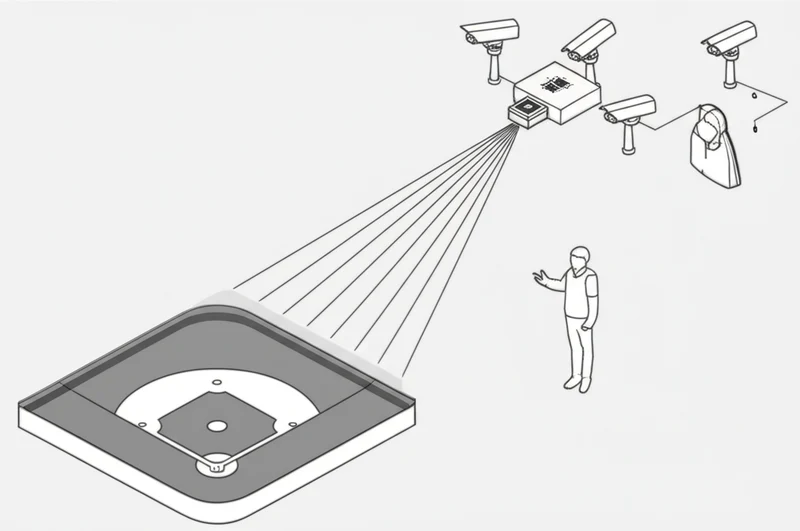
The successful implementation of the MLB AI challenge system depends on a sophisticated technological infrastructure refined over years of testing. The system’s backbone is the Hawk-Eye camera technology, a proven solution in sports like tennis. A series of 12 high-speed cameras are strategically placed around each ballpark to track the baseball’s trajectory from the pitcher’s hand to home plate, a process detailed by GPB News. This multi-camera setup allows the system to triangulate the ball’s position with remarkable precision, achieving accuracy within one-fifth of an inch, according to Ministry of Sport.
Data processing is facilitated by an integration with T-Mobile’s 5G network, ensuring the low latency required for near real-time review, as noted by AI Business. For consistency, the system uses a two-dimensional plane at the front of home plate for the strike zone. The vertical boundaries are customized for each batter, with the top of the zone set at 53.5% of the player’s height and the bottom at 27%, a standard detailed by Deadspin, providing a clear, objective standard for every review.
Human Tradition Meets Digital Precision
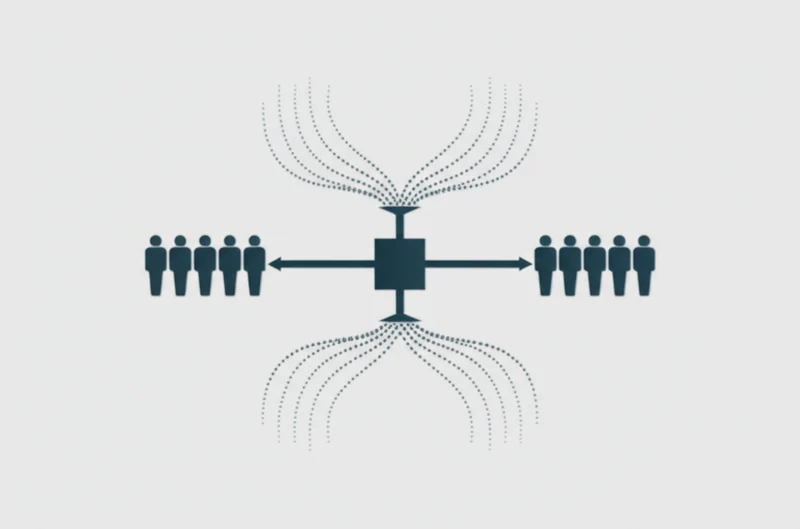
MLB’s choice of a challenge system over full automation was a deliberate one, shaped by stakeholder feedback and a desire to balance technology with tradition. This approach is positioned as what AI Business describes as a “middle ground” solution that preserves the umpire’s central role while providing a technological safety net. As Commissioner Rob Manfred noted, the goal is to correct game-deciding bad calls in high-leverage situations, not to achieve perfection on every pitch, a point he emphasized to Ministry of Sport.
The new MLB umpire challenge rules were heavily influenced by feedback. Manfred cited the “strong preference from players for the Challenge format” as a critical factor, a sentiment echoed by fans. Under the system, as explained by NBC Sports, each team starts with two challenges and retains a challenge if a call is overturned. The process is swift, with spring training tests showing an average review time of just 13.8 seconds, according to published data, minimizing disruption to the game’s flow.
The New Chess Match: Strategy Reimagined
With the Hawkeye MLB umpiring system explained, a new dynamic for the sport is introduced, impacting on-field strategy and opening new business avenues. The question of is MLB replacing umpires with AI is answered, for now, with a “no,” but their role is evolving. Some players, like relief pitcher Tayler Saucedo, observed that the system “made umpires better” by adding a layer of accountability, he told GPB News.
For players, the system creates new strategic dimensions. The value of elite pitch-framing catchers is now debated, while a new skill—judicious challenge management—emerges. Spring training data revealed catchers had the highest challenge success rate at 56%, while pitchers had the lowest at 41%, highlighting a new area of strategic advantage. Beyond the field, the system introduces a “fan-friendly engagement” element with dramatic scoreboard replays and creates significant commercial opportunities through sponsorships and branded broadcast integrations, a potential new revenue stream for the league.
Baseball’s Measured Digital Evolution
The planned MLB robot umpire system represents baseball’s calculated approach to technological integration—embracing innovation while preserving the sport’s human element. This balance reflects baseball’s unique position as a sport steeped in tradition yet willing to evolve. The challenge system exemplifies how AI can enhance rather than replace human expertise, creating a partnership between technology and tradition that may serve as a model for other sports navigating similar technological transitions. As baseball steps into this new era, the question remains: how will this careful integration of AI reshape the relationship between players, umpires, and fans in America’s pastime?
The 2026 season will begin providing those answers.
Read More From AI Buzz

Vector DB Market Shifts: Qdrant, Chroma Challenge Milvus
The vector database market is splitting in two. On one side: enterprise-grade distributed systems built for billion-vector scale. On the other: developer-first tools designed so that spinning up semantic search is as easy as pip install. This month’s data makes clear which side developers are choosing — and the answer should concern anyone who bet […]

Anyscale Ray Adoption Trends Point to a New AI Standard
Ray just hit 49.1 million PyPI downloads in a single month — and it’s growing at 25.6% month-over-month. That’s not the headline. The headline is what that growth rate looks like next to the competition. According to data tracked on the AI-Buzz dashboard , Ray’s adoption velocity is more than double that of Weaviate (+11.4%) […]