
Yelp AI vs Google Duplex: Automating Local Business Calls

Yelp has launched two AI-powered voice agents, Yelp Host and Yelp Receptionist, in a significant expansion of its AI toolkit designed to automate phone-based interactions for local businesses. This development, as reported by The Verge, marks a pivotal strategic shift for the company, moving it beyond its role as a discovery and review platform to become a core operational partner for restaurants and service providers. The new tools, which handle tasks from taking reservations to vetting customer leads, position Yelp to directly address persistent industry challenges like staffing shortages and place it in direct competition with the automation efforts of major players like DoorDash and Google. This launch demonstrates Yelp’s clear ambition to become an essential component of the modern local business technology stack.
Key Points
- Yelp released Yelp Host and Yelp Receptionist, two AI agents designed to automate phone calls for businesses.
- The agents perform complex conversational tasks like managing reservations, quoting wait times, and answering specific questions.
- This development positions Yelp against restaurant automation from DoorDash and anticipates AI-to-AI communication with consumer tools from Google.
- The tools are part of a larger Yelp business operating system strategy to embed AI into daily business operations.
Automating the Front Desk: Voice AI in Action
The technical implementation of Yelp’s new AI voice agents focuses on replicating and automating the most common front-of-house and administrative phone duties. Yelp Host, tailored for restaurants, can handle the entire reservation lifecycle: taking, modifying, and canceling bookings over the phone. It also provides dynamic information, such as current wait times for a table.
A key technical advantage is its “out-of-the-box” functionality. The AI is pre-trained on a restaurant’s Yelp data to answer specific questions like “Do you have vegan options?” or “Is your patio dog-friendly?” without extensive setup by the business owner. This leverages Yelp’s existing data repository to provide immediate value.
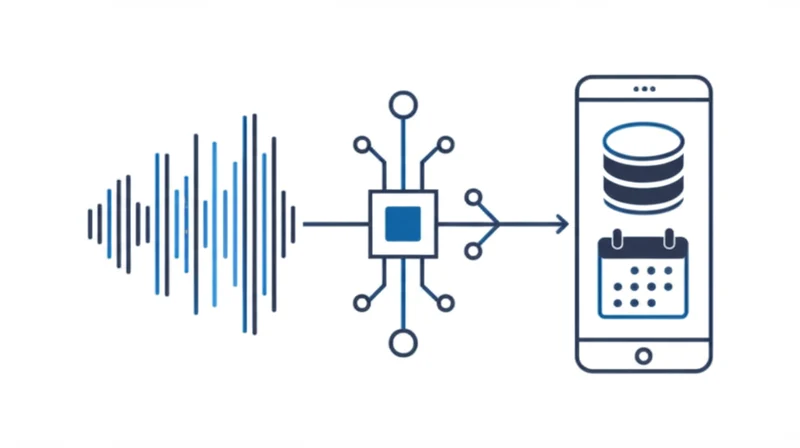
Yelp Receptionist extends this technology to other service businesses, where it is designed to vet leads by collecting essential customer details and providing quotes. Both agents bridge the gap between voice and digital channels by sending automated follow-up texts with links to menus, waitlists, or booking pages, effectively converting an analog call into a digital interaction, a key feature highlighted in the initial product announcement.
Digital Concierges: The New Battleground
Yelp’s entry into voice automation places it within a competitive landscape where major tech platforms are racing to own the service layer for local commerce. This move represents a direct response to similar industry developments, creating a notable rivalry in the restaurant automation space. DoorDash is actively developing its own AI for voice ordering, indicating that automating phone-based takeout has become a key competitive arena.
Furthermore, this initiative aligns with emerging trends in consumer-facing AI. Google’s advancements create a technically feasible scenario of AI-to-AI conversation, where a customer’s Google Assistant calls a restaurant and negotiates a reservation with its Yelp Host AI, with no human involved on either end. The technical overlap between Yelp’s system and Google Duplex highlights this trend, where the companies that define the protocols for these automated conversations will establish significant market positioning.

From Platform to Digital Backbone
The launch of Host and Receptionist is a cornerstone of Yelp’s strategic evolution, transforming the company from a marketing tool into an operational platform. By explicitly marketing the tools as a solution for “understaffed” businesses, Yelp addresses tangible operational challenges like labor shortages and rising costs. The fixed monthly cost for Yelp Host is $149/month, or $99 for existing Guest Manager users, offering a predictable expense compared to fluctuating labor costs, according to the launch details.
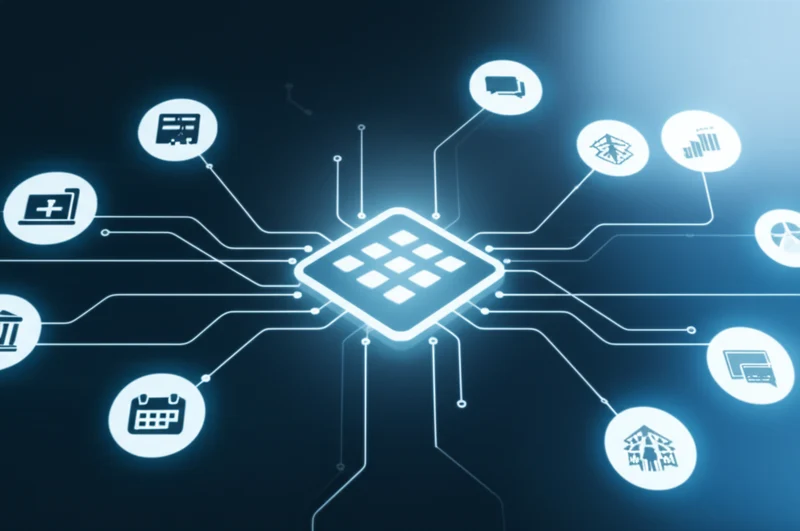
These agents are not standalone products but components of an integrated AI ecosystem designed to increase platform stickiness. This ecosystem includes an AI chatbot assistant for finding service professionals, AI-powered review summaries, and AI-generated video content. By embedding itself into core operational functions like phone management, Yelp makes its platform a more integral part of a business’s daily workflow, creating a significant competitive advantage. These tools represent some of the most practical AI voice implementations for small businesses to emerge recently.
When Algorithms Answer the Phone
Yelp’s introduction of AI-powered voice agents represents a calculated move to automate one of the most stubbornly analog channels in local business: the telephone. This development provides a direct solution to documented operational challenges while advancing Yelp’s strategic position as a central AI-powered platform for local commerce. The effectiveness of this initiative will depend on the conversational quality and reliability of the AI, but the direction is clear. As business-side and consumer-side AI systems become more prevalent, which companies will establish the standards for this new automated marketplace?
Read More From AI Buzz

Vector DB Market Shifts: Qdrant, Chroma Challenge Milvus
The vector database market is splitting in two. On one side: enterprise-grade distributed systems built for billion-vector scale. On the other: developer-first tools designed so that spinning up semantic search is as easy as pip install. This month’s data makes clear which side developers are choosing — and the answer should concern anyone who bet […]

Anyscale Ray Adoption Trends Point to a New AI Standard
Ray just hit 49.1 million PyPI downloads in a single month — and it’s growing at 25.6% month-over-month. That’s not the headline. The headline is what that growth rate looks like next to the competition. According to data tracked on the AI-Buzz dashboard , Ray’s adoption velocity is more than double that of Weaviate (+11.4%) […]